The history of cinema-
Cinema emerged in the late 19th century as a groundbreaking visual medium, pioneered by inventors such as the Lumière brothers. What began as short, silent recordings of everyday life quickly developed into a new art form, with filmmakers exploring narrative, emotion, and visual innovation.
During the 20th century, cinema evolved through major milestones including synchronized sound, color film, and advanced special effects. It became a powerful reflection of culture and society, shaping and sharing stories across the world. Today, digital technology and streaming platforms continue to redefine cinema, ensuring its lasting influence as a global storytelling medium.
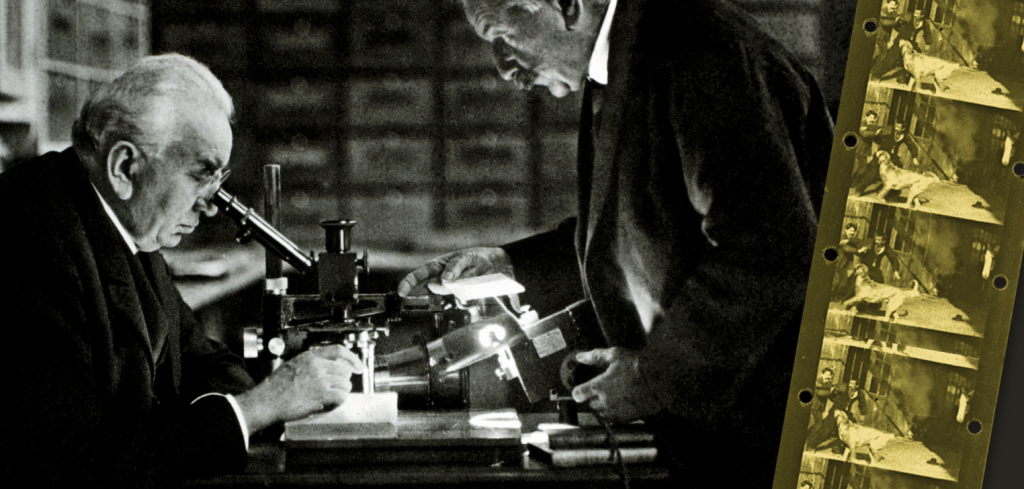
Cinema in progress.
Throughout the mid to late 20th century, cinema reflected social, political, and cultural change, giving rise to movements like Italian Neorealism, the French New Wave, and New Hollywood. In the 21st century, digital technology, computer-generated imagery, and streaming platforms have transformed film production and distribution. Despite these changes, cinema remains a vital art form—continuously evolving while preserving its core purpose: telling stories that connect people across time and cultures.

Over the years, cinema has exerted a profound and multifaceted influence on society, functioning not only as entertainment but also as a powerful cultural, social, and political force. Films have shaped collective imagination by influencing fashion, behavior, language, and artistic expression, while simultaneously reflecting the values, fears, and aspirations of the societies in which they were produced. Through storytelling and visual symbolism, cinema has documented historical moments, questioned social norms, and given visibility to diverse voices and experiences.
As cinematic technology and distribution expanded, the influence of film extended beyond the screen, impacting television, advertising, education, and digital media. Cinema has played a key role in shaping public opinion, fostering empathy, and encouraging dialogue across cultures and generations. In the contemporary era, globalized film industries and streaming platforms have further amplified cinema’s reach, reinforcing its role as a dynamic medium that continues to shape how people understand the world and themselves.